
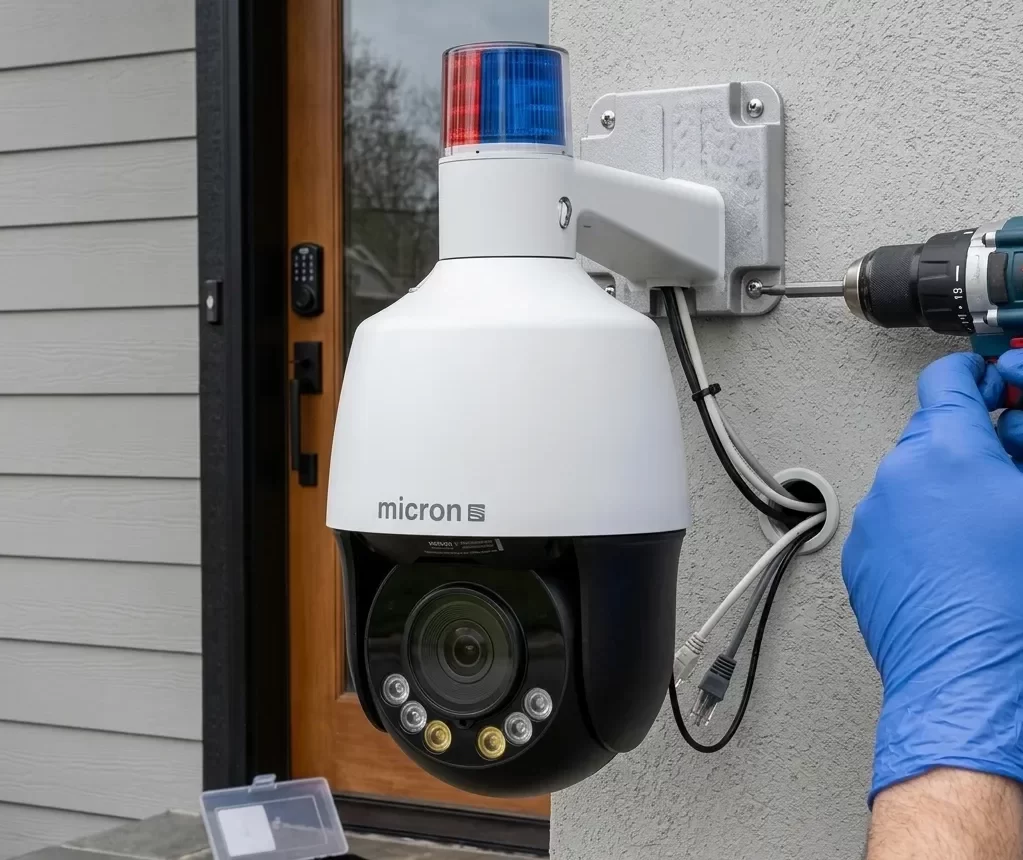
Reduce retail shrinkage with smart camera placement. Multi-Tech Security provides Micron CCTV installation for clearer evidence, deterrence and compliance.
Retail shrinkage impacts Australian businesses through customer theft, internal loss, administrative errors and refund abuse, with the National Retail Association reporting it costs billions each year. Simply installing cameras is not enough, because a Micron CCTV installation is only effective when cameras are placed strategically. With the right positioning, you reduce blind spots and gain clearer identification, stronger deterrence and reliable evidence.
For retailers reviewing their options, understanding how to choose the right CCTV system for your retail store in Sydney is an important first step before installation begins.
Where Shrinkage Happens Most: The “High-Risk Zones” Map
Shrinkage is rarely random. It tends to occur in predictable areas within a retail environment. Identifying these high-risk zones is the first step in designing a surveillance system that genuinely reduces loss.
Common high-risk zones include:
- Entry and exit points where offenders attempt walk-outs or quick concealment.
- Point of Sale (POS) and self-checkout areas where refund abuse, void manipulation or sweethearting can occur.
- High-value or high-demand shelves such as electronics, liquor, cosmetics or small boxed items.
- Stockrooms and receiving docks where internal loss or supplier discrepancies may happen.
- Returns counters and customer service desks where refund fraud can take place.
Retailers that integrate CCTV into broader alarm and CCTV systems as pillars of commercial security often see better overall risk reduction, as cameras work alongside alarms and access control to create layered protection.
Micron CCTV Installation: Placement Principles That Deliver Usable Evidence
A professional Micron CCTV installation should be built around evidence quality, not just coverage. Cameras must capture the right angles, distances and lighting conditions to produce footage that can support investigations and insurance claims.
Effective placement principles include:
- Capture faces clearly at entry and exit points using inward-facing cameras positioned to avoid glare from glass doors.
- Apply the “face, hands and product” rule in retail zones. Footage should show who handled the item, what was taken and how it was concealed.
- Use overlapping fields of view to minimise blind spots and track movement between aisles.
- Position cameras at POS to capture both the transaction area and customer identification angles.
- Ensure adequate lighting and avoid backlighting that can wash out critical details.
Camera-By-Camera Placement Examples for a Typical AU Retail Store
In a standard Australian retail environment, each camera should have a defined objective. A well-designed layout often includes:
- Front Door Coverage: One external camera to monitor approaching individuals and one internal camera to capture clear facial identification after entry.
- Checkout Monitoring: An overhead view to capture scanning and bagging activity, paired with an angled camera for facial recognition.
- High-Theft Aisles: Varifocal cameras positioned slightly off-centre to capture both the shopper and the product shelf.
- Stockroom and Delivery Areas: Cameras covering roller doors, receiving benches and access to secure cages or safes.
- Staff Entrances and Cash Offices: Focused coverage on access points and cash-handling surfaces.
Protect Your Business with Multi-Tech Security’s Micron CCTV Installation Solutions
At Multi-Tech Security, reducing shrinkage takes more than cameras. Our Micron CCTV installation service combines strategic planning and expert configuration to maximise coverage and deliver clearer, usable evidence. Whether you run one store or multiple sites, we assess your premises and design a system that targets high-risk zones effectively.
Contact us to discuss your requirements and book a professional site assessment.
Related Blog Articles:
Bosch 2000 vs 3000 vs 6000: Bosch Alarm Series Explained
Solar Construction Site Cameras: Reduce Liability with Time-Stamped Video Records