
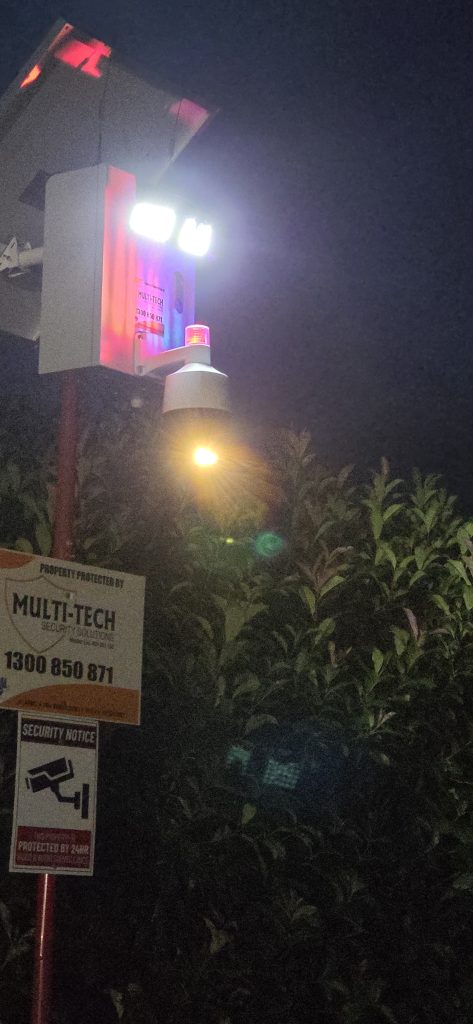
 Improve security with Multi-Tech Security’s CCTV camera placement guide for better coverage, fewer blind spots, and clearer footage across your property.
A well-planned CCTV system is only as effective as its positioning, which is why following a reliable CCTV camera placement guide is essential. Many property owners invest in high-end cameras but still end up with blind spots or unclear footage due to poor placement. Strategic positioning ensures you capture clear, usable footage that supports both security and evidence collection.
CCTV Camera Placement Guide: Start with the Right Strategy
Before installing any cameras, it is important to clearly define the purpose of your system. Whether your goal is deterrence, monitoring, or identification, each objective requires a different placement approach. A common mistake is relying on a single camera to do everything, when a more strategic setup delivers better results.
An effective approach combines wide-angle cameras for general coverage with focused cameras at key choke points such as entryways, gates, or corridors. This ensures clearer facial images and aligns with Australian security recommendations that prioritise identification over simple activity capture. Planning your layout in advance also helps reduce blind spots and avoid unnecessary equipment costs.
Best Locations to Maximise Coverage and Minimise Blind Spots
Choosing the right camera locations is essential for achieving full visibility across your property. Cameras should be positioned along natural movement paths and adjusted for lighting, angles, and potential obstructions to ensure clear footage day and night. To minimise blind spots, use overlapping views and avoid placing cameras behind objects like trees, signage, or structural features.
Key areas to prioritise include:
- Front entrance: Ideal for capturing clear facial images of visitors and deliveries
- Driveways and garages: Helps monitor vehicle access and movement
- Side pathways and rear access points: Common entry routes that are often overlooked
- Indoor choke points: Reception areas, hallways, and points of sale for businesses
- Perimeter boundaries: Provides an added layer of visibility around the property
For improved night visibility, integrating technologies such as full-colour night monitoring cameras can further enhance coverage and reduce blind spots in low-light conditions.
Common CCTV Placement Mistakes to Avoid
Even high-quality equipment can produce unusable footage if cameras are poorly positioned. Understanding common placement mistakes helps ensure your system delivers reliable and effective coverage. Proper testing and adjustments are essential to maintain clear visibility and improve overall CCTV performance.
Some of the most common placement errors include:
- Mounting cameras too high, resulting in poor facial identification
- Relying solely on wide-angle lenses that reduce detail
- Ignoring lighting conditions such as glare or backlight
- Installing cameras where objects obstruct the view
- Failing to test footage during both day and night conditions
Secure Your Property with Multi-Tech Security’s CCTV Camera Placement Guide
At Multi-Tech Security, we know effective surveillance begins with proper planning. Our approach to every CCTV camera placement guide ensures maximum coverage, fewer blind spots, and clear, usable footage tailored to Australian homes and businesses. Whether upgrading or installing a new system, our team can assess your property and recommend optimal camera positions.
Contact us today to discuss your requirements and take the first step towards a smarter, more reliable security solution.
Related Blog Articles:
Is UNV CCTV a Good Choice for Home & Business Security?
Dahua CCTV System Installation: Cost vs Value Over Time